PLC Power Supply Modules – PM Power Supply VS PS Power Supply
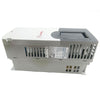
A power supply is a device that provides power to electronic equipment. Siemens PLC power supply modules are divided into PM power supply modules and PS power supply modules.
What is a PM Power Supply Module?
A PM power supply module, short for Module Power Supply, provides operating power to the CPU, signal modules, other expansion modules, and electrical devices (sensors, counters, etc.).
PM Module Power Wiring Method:
Taking the PM1507 as an example, after removing the cover of the power supply module, you can see two types of power supplies that can be connected inside the cover:
One is a 120/230V AC power supply, used to provide power to the power supply module itself, which is the power supply module's input terminal.
The other is a 24V DC power supply, used to power the CPU, signal modules, and other expansion modules.

What is a PS Power Supply Module?
A PS power supply module, short for System Power Supply, provides operating power to the CPU, signal modules, and other expansion modules.
PM module power supply wiring:
Powered by 24VDC or 120/230VAC.

Differences and connections between the two:
The biggest differences between PM and PS power modules are twofold:
1. PM power modules can power signals, PLCs, and external devices, while PS power modules can only power module signals and PLCs, not external sensors. If external sensors are connected, they require separate power.
2. PM power modules input 120/230VAC and output 24VDC. PS power modules only receive 24VDC or 120/230VAC input; they have no output terminals for external power. Power is supplied to the PLC module via the backplane bus. This is why PS power modules cannot power external sensors.
-
Posted in
Technical knowledge